
Kyoto Travel Guide: Weekend Itinerary & Top Things to Do
Experience Kyoto
Kyoto is a premier destination curated by our expert travel team. Known for its distinct Tradition, Temples, History vibes, it offers a perfect blend of relaxation and discovery for those seeking a premium weekend break in 2026.
Why It's a Weekend Favorite
Kyoto excels as a short-stay destination due to its accessibility and high density of attractions. Whether you’re a solo traveler, a couple on a romantic escape, or a family looking for a quick adventure, the city provides a diverse range of activities that can be comfortably covered in a 2 to 3-day window.
Cultural Context & Local Vibe
Visiting Kyoto is about more than just sightseeing; it's about soaking in the unique local atmosphere. From the traditional architecture to the modern culinary scene, every corner tells a story. Our AI-curated plan below ensures you hit the most authentic spots that represent the true heart of Japan.
Kyoto: The Ultimate Exploration Guide
Introduction
Nestled in the heart of Japan, Kyoto is a city that beautifully blends ancient tradition with modern culture. It is renowned for its stunning temples, exquisite gardens, and well-preserved historical structures. As Japan's former imperial capital, Kyoto is imbued with a unique charm that attracts travelers from all over the globe. Whether you're fascinated by its rich cultural heritage or captivated by its picturesque landscapes, Kyoto promises an unforgettable journey.
History and Heritage
Kyoto's history stretches back over a thousand years. Established as the capital of Japan in 794, it remained the nation’s political and cultural hub until the governmental power shifted to Tokyo in 1868. During its time as the capital, Kyoto saw the flourishing of Japanese arts, culture, and religion. Today, it's home to 17 UNESCO World Heritage Sites and an extraordinary collection of historical architecture that tells the story of Japan's illustrious past.
Top Attractions
Kinkaku-ji (The Golden Pavilion)
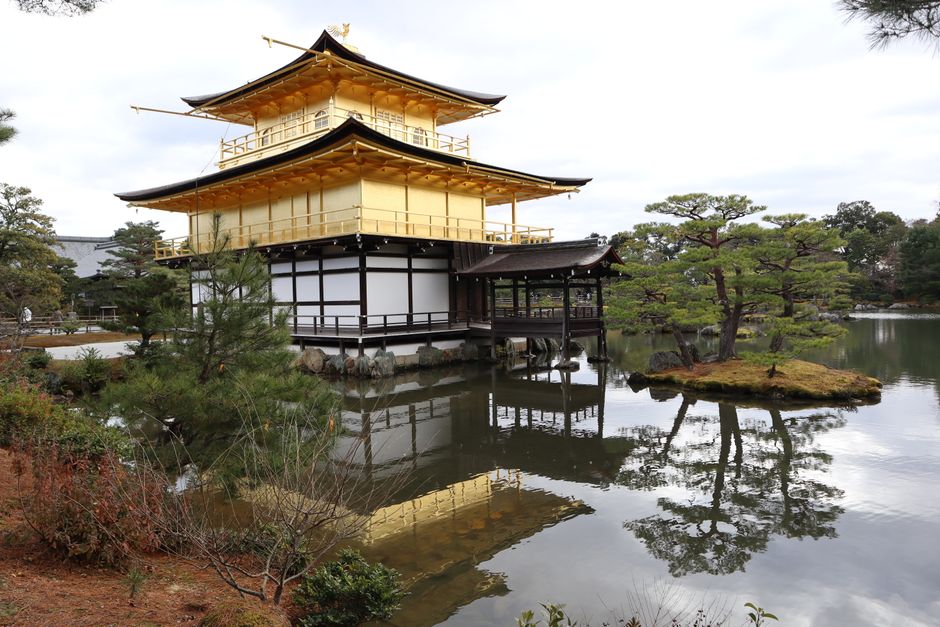
One of Kyoto's most iconic landmarks, Kinkaku-ji, or The Golden Pavilion, offers a mesmerizing sight with its top two floors entirely covered in gold leaf. Reflected magnificently in the surrounding pond, this Zen Buddhist temple was originally built as a retirement villa for the shogun Ashikaga Yoshimitsu before becoming a temple posthumously. The serenity of its meticulously maintained gardens further enhances the spiritual experience.
Fushimi Inari Taisha
Known for its thousands of vibrant torii gates, Fushimi Inari Taisha is an important Shinto shrine dedicated to Inari, the god of rice. Located at the base of Mount Inari, the site includes trails that lead to smaller shrines which span four kilometers and take approximately two hours to walk up. The striking red gates create an enchanting and photogenic pathway that invites exploration.
Kiyomizu-dera
Kiyomizu-dera is an ancient temple known for its large wooden stage that juts out from the hillside, offering breathtaking views of the cherry and maple trees below. Founded in 778, this historic temple is a favorite spot for the cherry blossom season in spring and the vivid colors of autumn leaves. The temple’s name, meaning "pure water," derives from the Otowa Waterfall running beneath its main hall.
Arashiyama Bamboo Grove
Walking through the Arashiyama Bamboo Grove is like being transported to another world. Tall, swaying bamboo stalks provide a unique and tranquil setting, just a short train ride from Kyoto's city center. Nearby, the historic district of Arashiyama offers charming streets to explore along with the iconic Togetsukyo Bridge spanning the Katsura River.
Nijo Castle
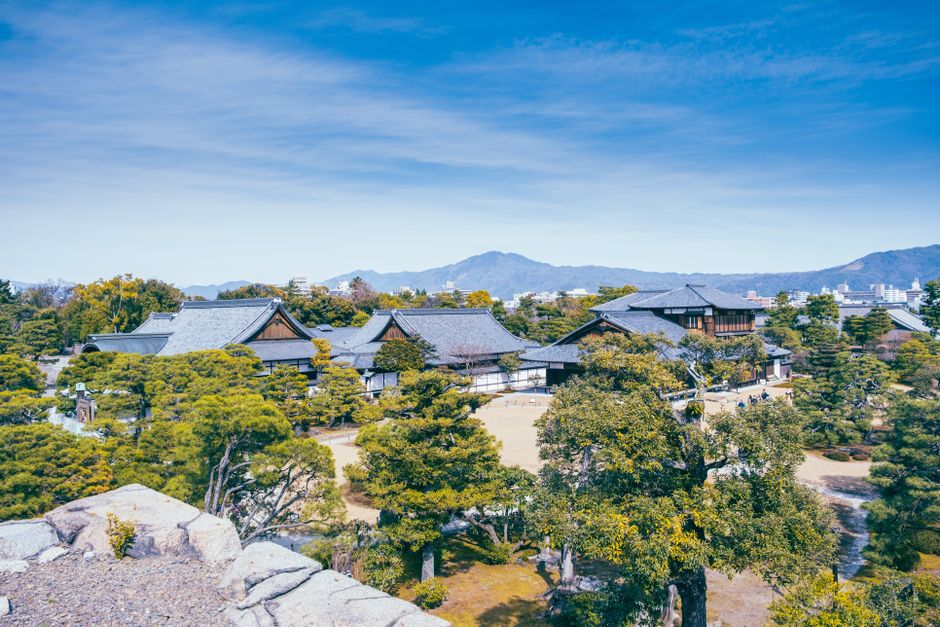
Nijo Castle is a grandiose testament to the ingenuity of samurai architecture. Formerly the residence of the Shogun, the castle complex features stunning gardens, intricate woodwork, and the famous "nightingale floors" designed to chirp when walked on, to warn residents of approaching intruders. It’s a place where history truly comes to life amidst beautifully preserved surroundings.
Gastronomy
Kaiseki
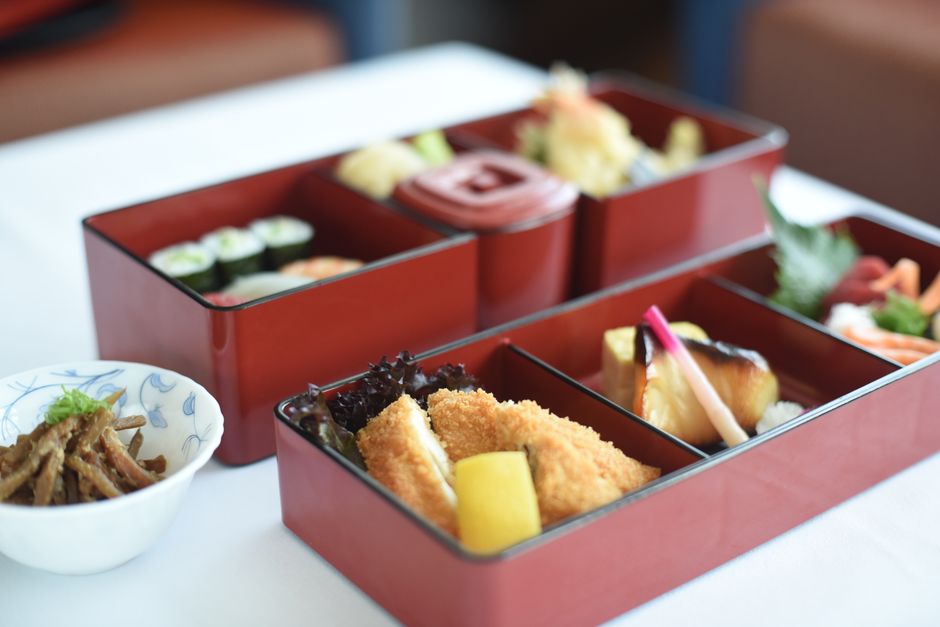
Kaiseki is the traditional multi-course Japanese dinner that exemplifies Kyoto’s culinary finesse. Each dish is elegantly prepared to balance taste, texture, and appearance, often featuring seasonal ingredients. Dining venues in Kyoto offer Kaiseki meals that are both a feast for the eyes and the palate.
Yudofu
A staple dish in Kyoto, Yudofu is a simple yet delicious tofu hot pot traditionally enjoyed at temples. The delicate flavor of the tofu is enhanced by dashi broth and served with an array of condiments like green onions, ginger, and sesame.
Matcha
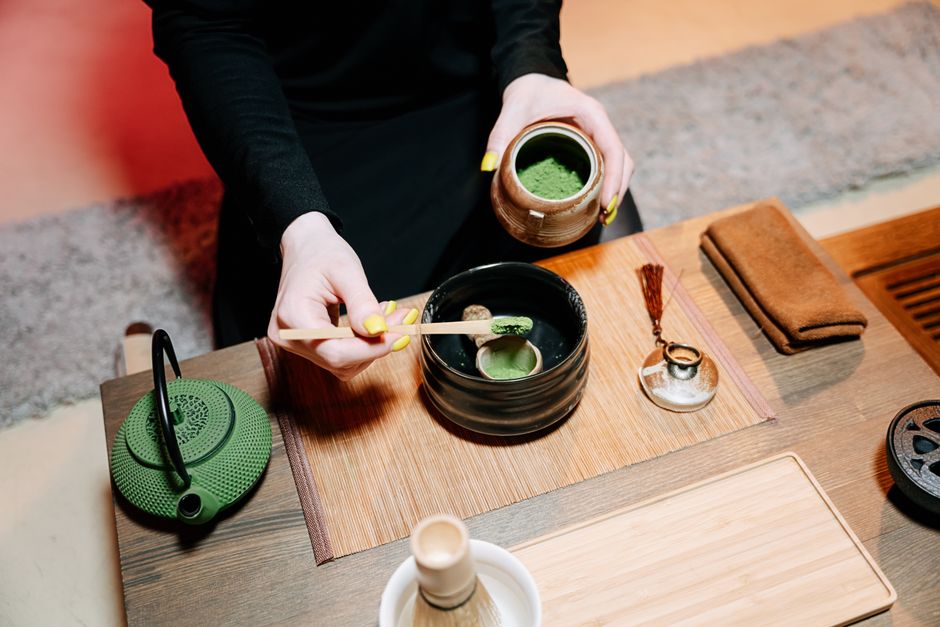
The green tea culture thrives in Kyoto, particularly with its famous Uji matcha. This finely powdered green tea is celebrated for its rich flavor and health benefits, often enjoyed as a beverage or used to flavor sweets and desserts.
Kyoto-style Sushi
Kyoto’s unique take on sushi, known as Kyo-zushi, emphasizes cured or pickled fish, reflecting the city’s historical inland location. The sushi is often pressed or wrapped in bamboo leaves, offering a distinguished taste that differs from Tokyo-style sushi.
Hidden Gems
Shosei-en Garden
Located near Kyoto Station, Shosei-en is a relatively quiet retreat where Kyoto's classic garden design can be observed without the crowds found at more famous sites. The garden features picturesque ponds and charming bridges set among luscious green landscapes, making it a serene spot for a leisurely stroll.
Kamigamo Shrine
As one of the oldest Shinto shrines in Japan, Kamigamo Shrine offers a peaceful respite with its sprawling grounds and riverside setting. The shrine is particularly tranquil and less frequented by tourists, providing an authentic and intimate religious experience.
Saiho-ji (The Moss Temple)
Known for its lush carpet of moss covering rocks and trees, Saiho-ji offers a unique and ethereal natural spectacle. As a UNESCO World Heritage Site, visiting requires a reservation, which adds to the exclusivity and allure of this mystical environment.
Practical Information
The best time to visit Kyoto is during spring from March to May, or autumn from September to November, when the weather is mild and the natural scenery is at its most stunning. Getting around Kyoto is relatively convenient with its efficient public transportation system including buses and trains. Bicycles are also a popular means of transport due to the city's flat terrain.
Visitors should be mindful of local customs and etiquette, especially when visiting religious sites, where modest clothing and respectful behavior are appreciated.
Conclusion
Kyoto captivates with its marriage of the past and present, offering an immersive experience into Japan’s cultural and historical tapestry. Whether you are admiring the architectural splendor of its temples, enjoying the tranquility of its gardens, or indulging in its exquisite cuisine, Kyoto is a city that promises both inspiration and tranquility. With so much to explore, each visit reveals new depths to its timeless charm, inviting travelers to discover its beauty over and over again.
Your 2-Day AI Itinerary
Trip Overview
Experience the rich culture and stunning historical sites of Kyoto over a two-day weekend trip. From ancient temples to traditional cuisine, this itinerary offers a perfect blend of sightseeing and local experiences.
Travel Logistics
Recommended Stays
Day 1Discovering Historical Kyoto


Day 2Cultural Exploration and Cuisine
Expand Your Trip: Nearby Destinations


Why Kyoto Defines Modern Travel
Selecting a destination for a high-impact weekend requires more than just a pin on a map. At Weekend Travellers, we analyze the specific Logistical DNA of cities like Kyoto before featuring them in our expert index. For a 2026 traveler, the value of Kyoto lies in its "48-hour feasibility"—the ability to provide a complete cultural narrative without the need for a week-long commitment.
Authenticity in the Algorithmic Age
While our AI-driven itinerary provides the structural backbone for your journey to Japan, the real magic happens in the local intersections. We prioritize "Anti-Tourist" landmarks and hyper-local dining gems that our data indicates are trending towards high-quality, authentic experiences. By focusing on Tradition and Temples and History archetypes, we ensure that your stay in Kyoto isn't just a sequence of photos, but a coherent story of discovery.
Sustainable Exploration
Our commitment to Kyoto extends beyond your visit. We encourage a model of tourism that respects the local infrastructure and supports independent vendors. By following our curated paths, you are contributing to a recursive feedback loop that helps us maintain the quality and integrity of travel for future explorers. Enjoy your curated journey through the heart of Japan.